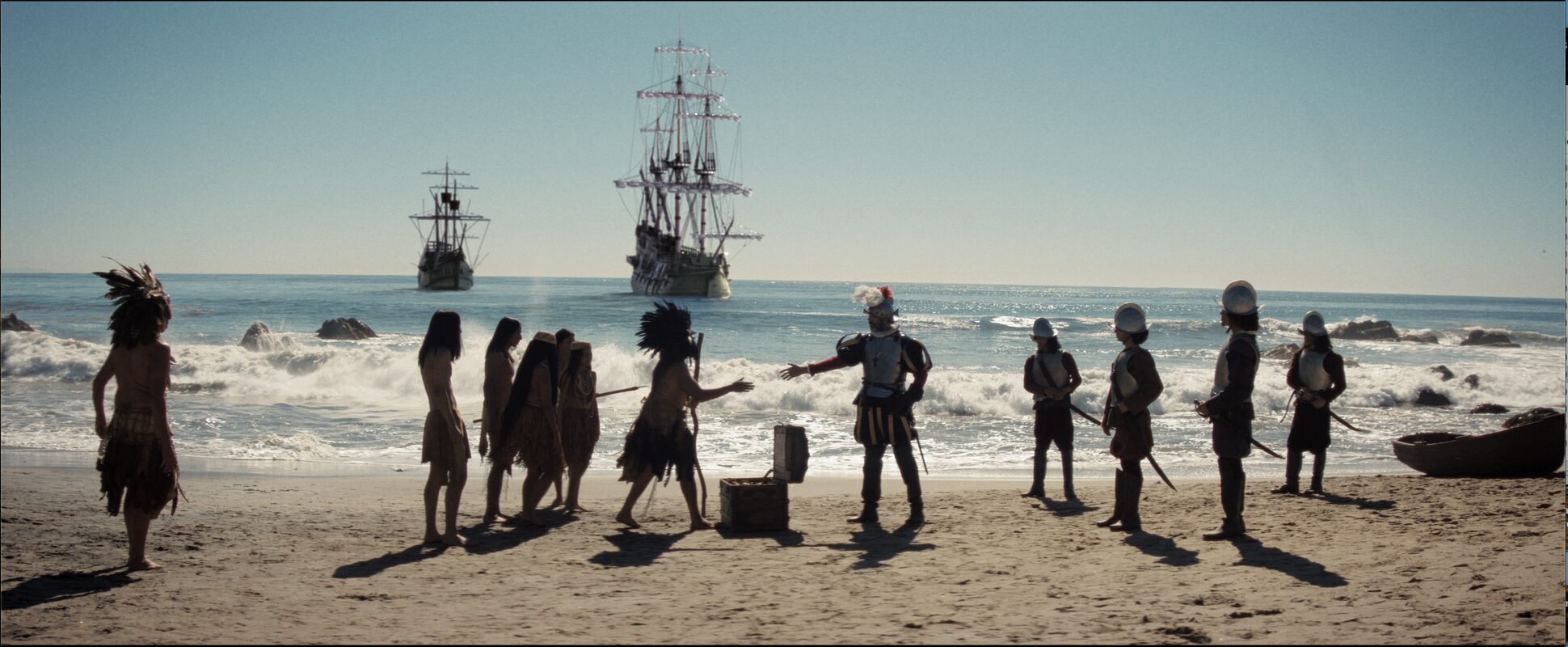
Episode 8: Red Power
lesson resources
EPISODE DESCRIPTION
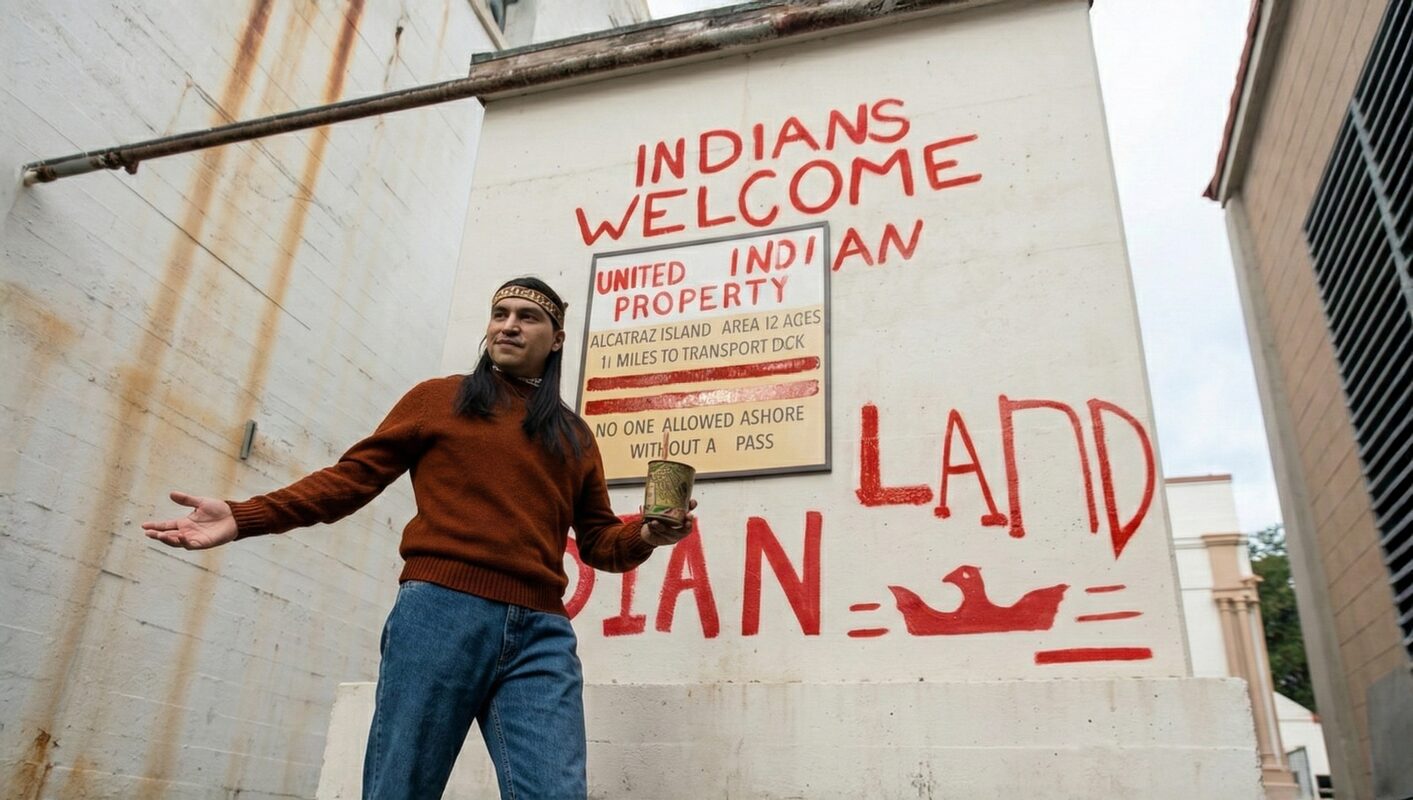
In the ashes of San Francisco’s American Indian Center, a new generation rises. Mohawk activist Richard Oakes and student leader LaNada War Jack rally Native voices from across the nation to reclaim Alcatraz Island, transforming a former prison into a global symbol of sovereignty. As the Indians of All Tribes occupation captures the world’s attention, unity and defiance collide with loss and fracture. Through intimate interviews with LaNada and fellow occupiers, and a trove of rarely seen archival footage, this chapter immerses viewers in the birth of Red Power, a movement that forever reshaped Native activism and declared to America that Indigenous nations are still here, and always will be.
- Overview
- Background for Teachers
- Standards Alignment
- Learning Objectives
- Essential questions
- Episode Clips
Red Power & the Occupation of Alcatraz
Students study the Occupation of Alcatraz as a turning point in Native activism and intertribal organizing. The lesson examines youth leadership, media strategy, satire, and place-based resistance as tools for asserting sovereignty and reshaping public narratives.
Classroom Alignment
Grade Levels: 9-12
Subjects: Social Studies, History, Humanities, Ethnic Studies, Native American Studies, Journalism or Media Courses
Duration: 1–2 class periods (60-76 mins total)
Unit Theme: Early California and Colonization
The 1960s saw a surge of Native activism shaped by federal Relocation policies, which brought diverse tribal citizens into cities like San Francisco. Urban Indian Centers—such as the one where Richard Oakes organized—became hubs for political community-building. Native students formed Indians of All Tribes (IAT) and joined broader Third World and civil rights coalitions.
When the San Francisco American Indian Center burned down in 1969, students and urban community leaders revived an earlier idea: occupying the now-abandoned federal prison at Alcatraz. The occupation (1969–1971) dramatized the broken federal promises around land and treaty rights, using media savvy, satire (“Proclamation to the Great White Father”), and community governance to assert Native sovereignty publicly.
The occupation also suffered internal tensions, federal suppression (water and power cutoffs), negative press campaigns, and tragedy—including the death of Richard Oakes’s daughter. Ultimately, the federal government ended the occupation in June 1971, but the movement ignited nationwide Native activism and influenced major policy reforms in the 1970s.
Standards alignment breakdown:
California History-Social Science Framework
California History-Social Science Analysis Skills
Common Core Literacy in History/Social Studies: Integrate visual, textual, and oral sources; determine point of view; support analysis with evidence.
Ethnic Studies Core Competencies: Critical thinking, community cultural wealth, historicizing power, and contemporary Indigenous presence.
Students will be able to:
Explain how federal Relocation policies contributed to the rise of intertribal activism and inspired the Red Power movement.
Analyze the rhetorical strategies and satire in the Proclamation to the Great White Father.
Describe how Native students, families, and intertribal communities organized daily life during the Occupation of Alcatraz.
Evaluate the role of media—film, radio, journalism—in supporting or undermining Native activism.
Examine how federal suppression (blockades, water cutoff, electricity removal) influenced the occupation’s trajectory.
Connect the Alcatraz occupation to broader movements for Native sovereignty and land return.
Essential questions for discussion:
How did Native youth and intertribal communities build political power during the Red Power movement?
In what ways did the Occupation of Alcatraz challenge federal Indian policy and public narratives about Native peoples?
How did satire and reframing language function as tools of decolonization?
What role did the media play in shaping public perception of the occupation?
How do acts of place-based resistance reaffirm Indigenous sovereignty?
Access additional curriculum
The People of the West documentary series provides curriculum that centers California Native perspectives across time—from creation histories and first contact to contemporary movements for sovereignty, cultural revitalization, and environmental stewardship. Through film analysis, primary sources, oral histories, and critical discussion, students examine how Indigenous peoples have shaped California’s past and continue to shape its present and future.
Episode Clips
Clip 1 (~3 mins): This clip introduces the 1850 Act, Peter Burnett’s “State of the State Address” calling for a “war of extermination,” and shows how, throughout the 1850s & 1860s, California established state-sanctioned militias and funded them.
Clip 2 (~3 mins): Organizing and strategizing for the occupation of Alcatraz Island.
Clip 3 (~2 mins): Oakes delivers “Proclamation to the Great White Father” upon occupying Alcatraz and experts share reflections on the satire, attention to reframing of language, and inherent critiques of histories of colonization.
Clip 4 (~3 mins): Description of the beginning of the occupation of Alcatraz, student involvement, and the collaboration required to establish life on Alcatraz.
Clip 5 (~5 mins): This clip illuminates the role of media in helping the movement grow, how Native activists strategically used media to authentically represent Native life in California, the growing support from around the country to help the occupation sustain itself, and the beginning of federal pushback.
Clip 6 (~2 mins): Description of events that led to the Federal Government's sweep of Alcatraz and the official end of the occupation.
what people are saying
-
Audience Member
Everything I saw impacted me, but most of all seeing the truth told by our people.
-
A. Cooper
Thank you for this project! Glad to know that there is a toolkit available. I was in tears watching the trailer. Bravo.
-
F. Molina
This is amazing! I've been wanting this since the 90's when I started teaching.