Episode 1: First Contact
lesson resources
EPISODE DESCRIPTION
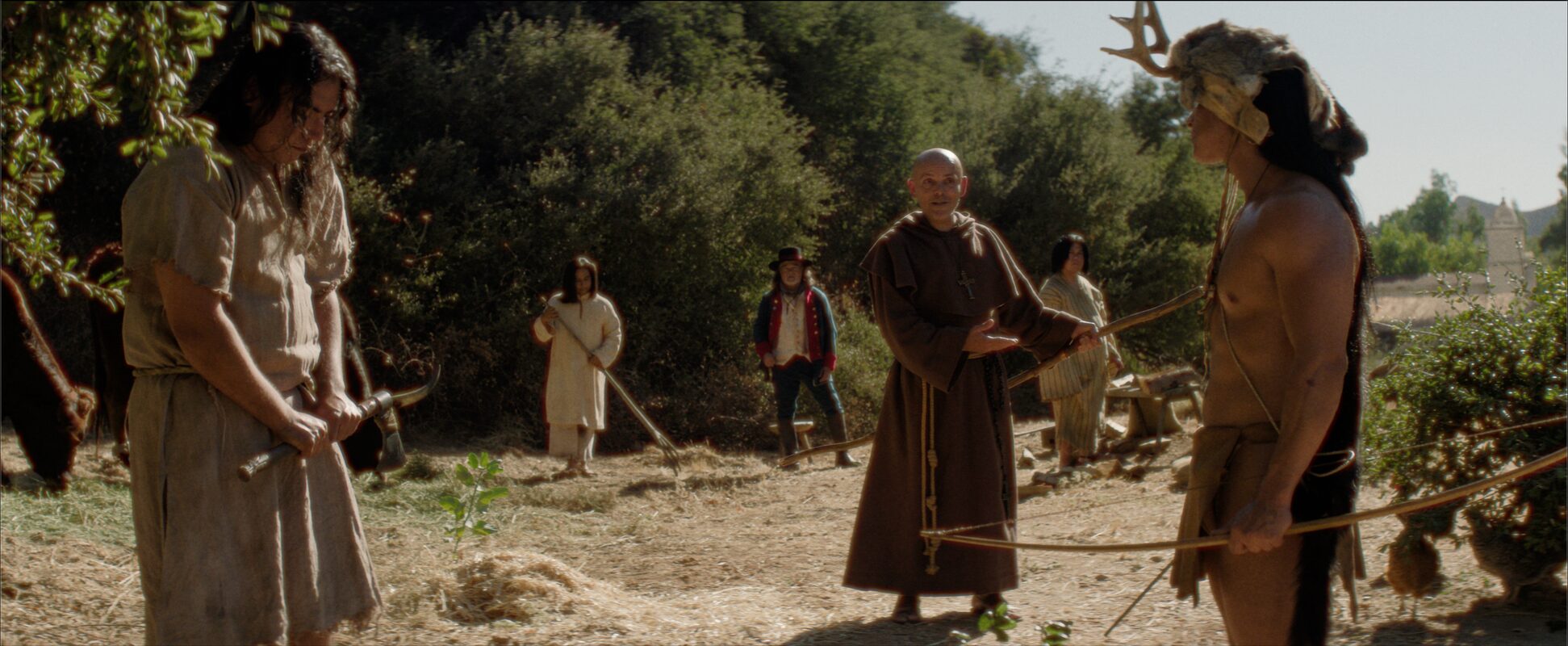
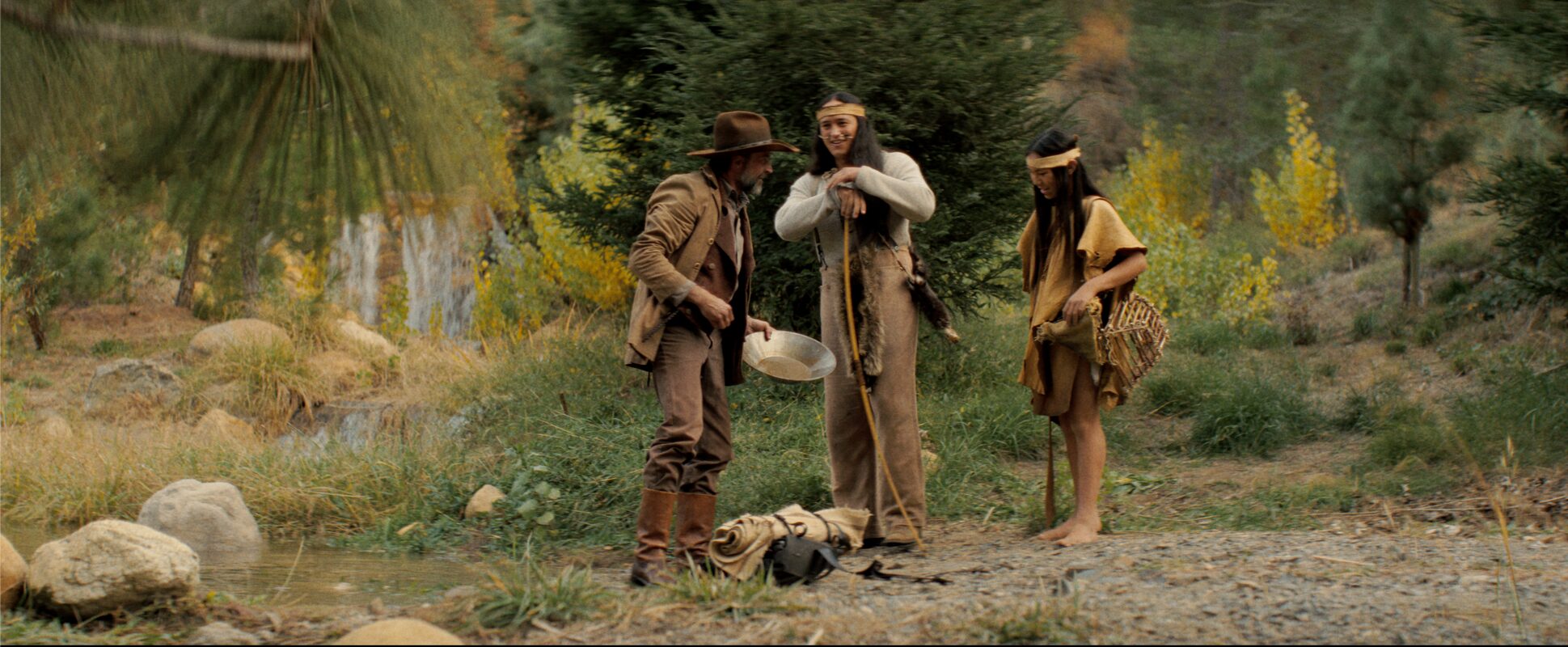
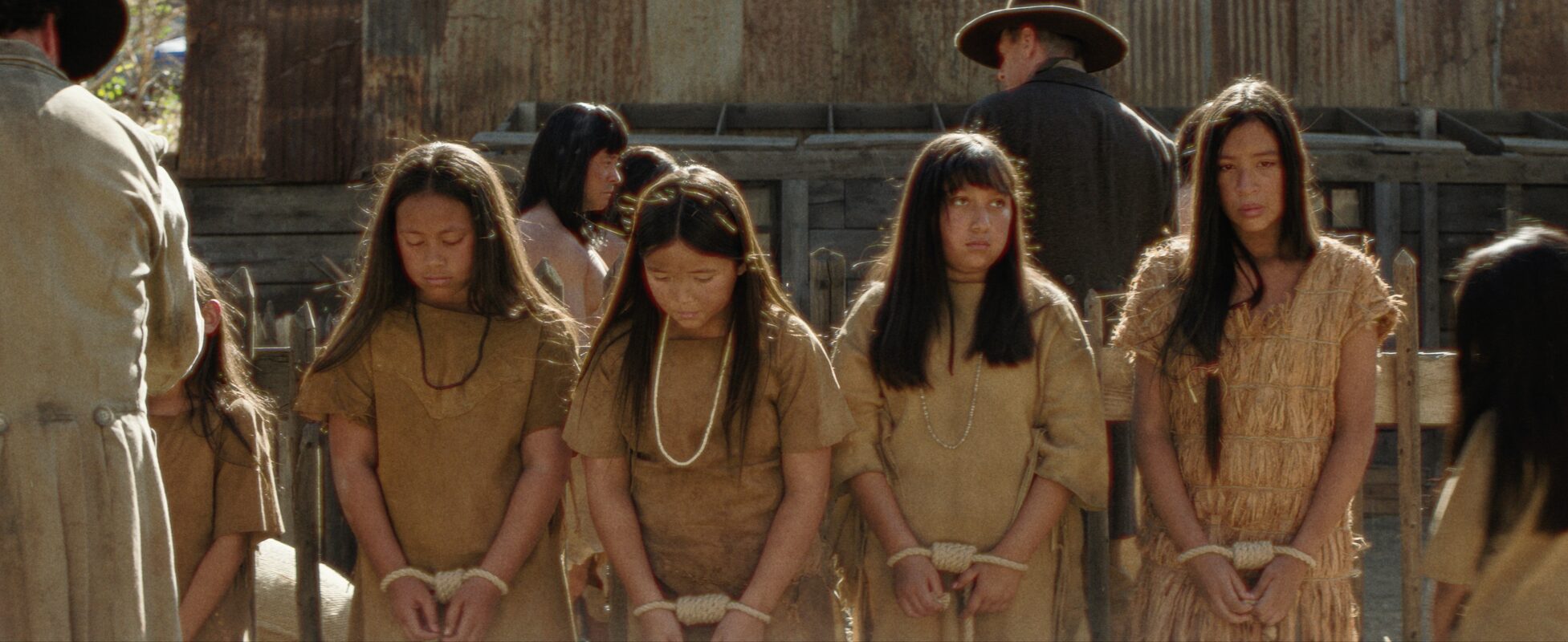
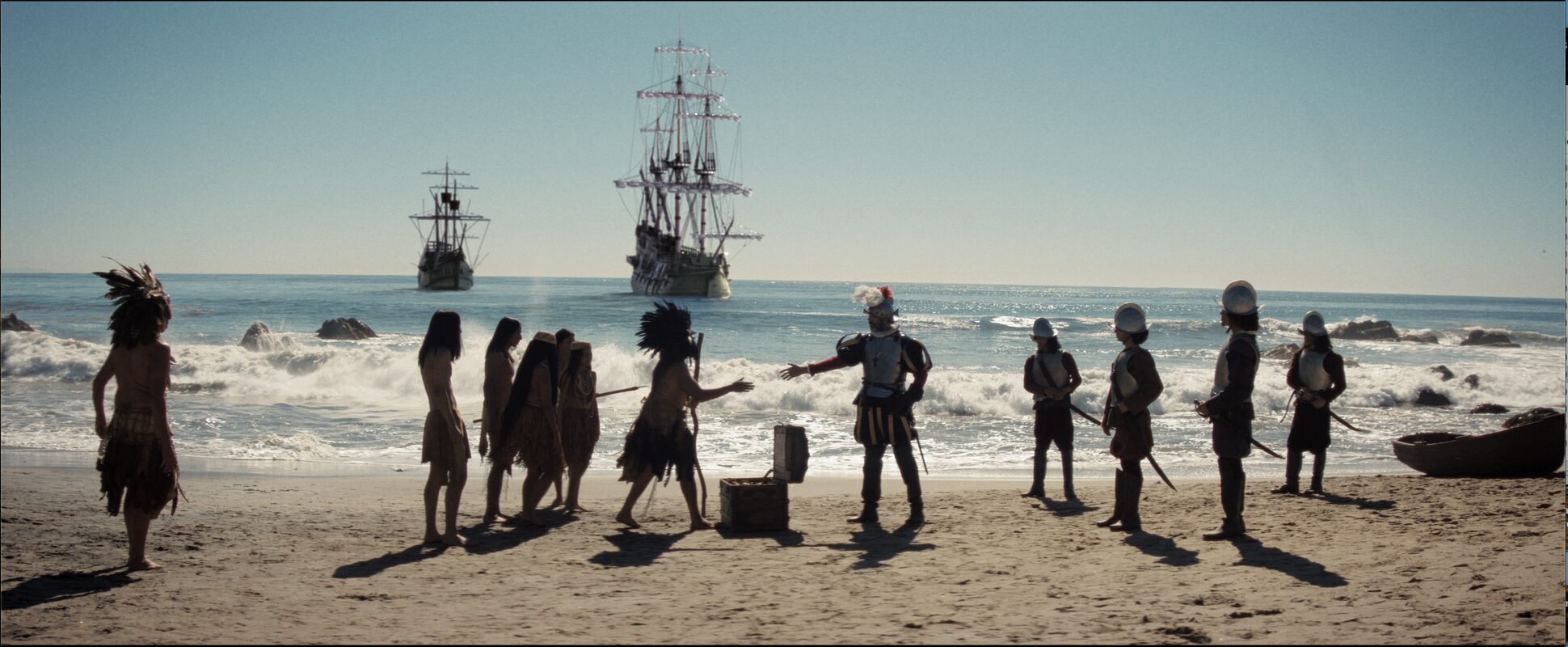
Before colonization, California is a world of ceremony, sovereignty, and sacred balance, then everything changes. On Kumeyaay Ipai land in 1542, a teenager's coming of age ceremony collides with the arrival of Juan Rodríguez Cabrillo. Guided by tribal protocols, the village greets the strangers in cautious diplomacy, until Spain's Requerimiento reveals conquest masked as faith. A clash over fishing rights ignites violence, and two children are abducted, foreshadowing centuries of dispossession. Through the voices of California Indian scholars and cultural bearers, the episode reframes first contact from an Indigenous perspective, fusing oral history, expert insight, and cinematic dramatization to set the tone for the series that follows.
- Overview
- Background for Teachers
- Standards Alignment
- Learning Objectives
- Essential Questions
- Episode Clips
Origins, Sovereignty, and First Contact
This lesson introduces students to California Native creation histories, governance systems, and lifeways prior to European contact. Students explore how Indigenous worldviews reflect relationships to land, responsibility, and sovereignty, and analyze how first contact with Spanish explorers disrupted—but did not erase—Indigenous continuity.
Classroom Alignment
Grade Level: 9-12 (Can be scaffolded for 6-8)
Subjects: History-Social Science, Ethnic Studies, English Language Arts
Duration: 2-3 class periods
Unit Theme: Early California and Colonization
Before teaching this lesson, review:
Seven Essential Understandings of California Indians (NASMC resource)
The 6 P’s Framework (Place, Presence, Perspectives, Political Nationhood, Power, Partnerships)
“The Truth about California Missions”
“The Doctrine of Discovery”
Consider inviting a local tribal educator or using California Indian Library Collections for supplementary materials.
Standards alignment breakdown:
California History-Social Science Framework: Grade 4 & 7 (missions, exploration, and colonization of California)
California History-Social Science Analysis Skills
Common Core Literacy in History/Social Studies: Integrate visual, textual, and oral sources; determine point of view; support analysis with evidence.
Ethnic Studies Core Competencies: Critical thinking, community cultural wealth, historicizing power, and contemporary Indigenous presence.
Objectives for the Classroom:
Identify how Native peoples across California lived in balance with the land before colonization.
Explain how creation histories reflect Indigenous relationships to place, responsibility, and governance.
Analyze the impacts of first contact between the Kumeyaay and Spanish explorers.
Reflect on how Indigenous sovereignty and cultural continuity persist despite colonization.
Understand “official curriculum” and “counter narratives” and apply critical analysis to each.
Essential questions for discussion:
What do California’s creation histories teach us about Indigenous worldviews and connections to land?
How did early Indigenous societies organize themselves politically, spiritually, and economically before European contact?
How did the arrival of the Spanish disrupt Indigenous sovereignty, and how did Native peoples respond?
Why is it important to learn California history from Native perspectives?
Access additional curriculum
The People of the West documentary series provides curriculum that centers California Native perspectives across time—from creation histories and first contact to contemporary movements for sovereignty, cultural revitalization, and environmental stewardship. Through film analysis, primary sources, oral histories, and critical discussion, students examine how Indigenous peoples have shaped California’s past and continue to shape its present and future.
Episode Clips
Clip 1 (~7 mins): Introduction to how histories of Native life have been taught in the state of California, as well as myths of extinction and an explanation of Native origins in present-day California.
Clip 2 (~9 mins): Introduction of creation histories and sharing creation histories from different tribes and relationships to land and lifeways.
Clip 3 (~3 mins): The arrival of Spanish explorers; Ipai/Kumeyaay's first contact with Cabrillo; reading of the Requerimiento.
what people are saying
-
Audience Member
Everything I saw impacted me, but most of all seeing the truth told by our people.
-
F. Molina
This is amazing! I've been wanting this since the 90's when I started teaching.
-
A. Cooper
Thank you for this project! Glad to know that there is a toolkit available. I was in tears watching the trailer. Bravo.