Episode 7: The American Dream
lesson resources
EPISODE DESCRIPTION
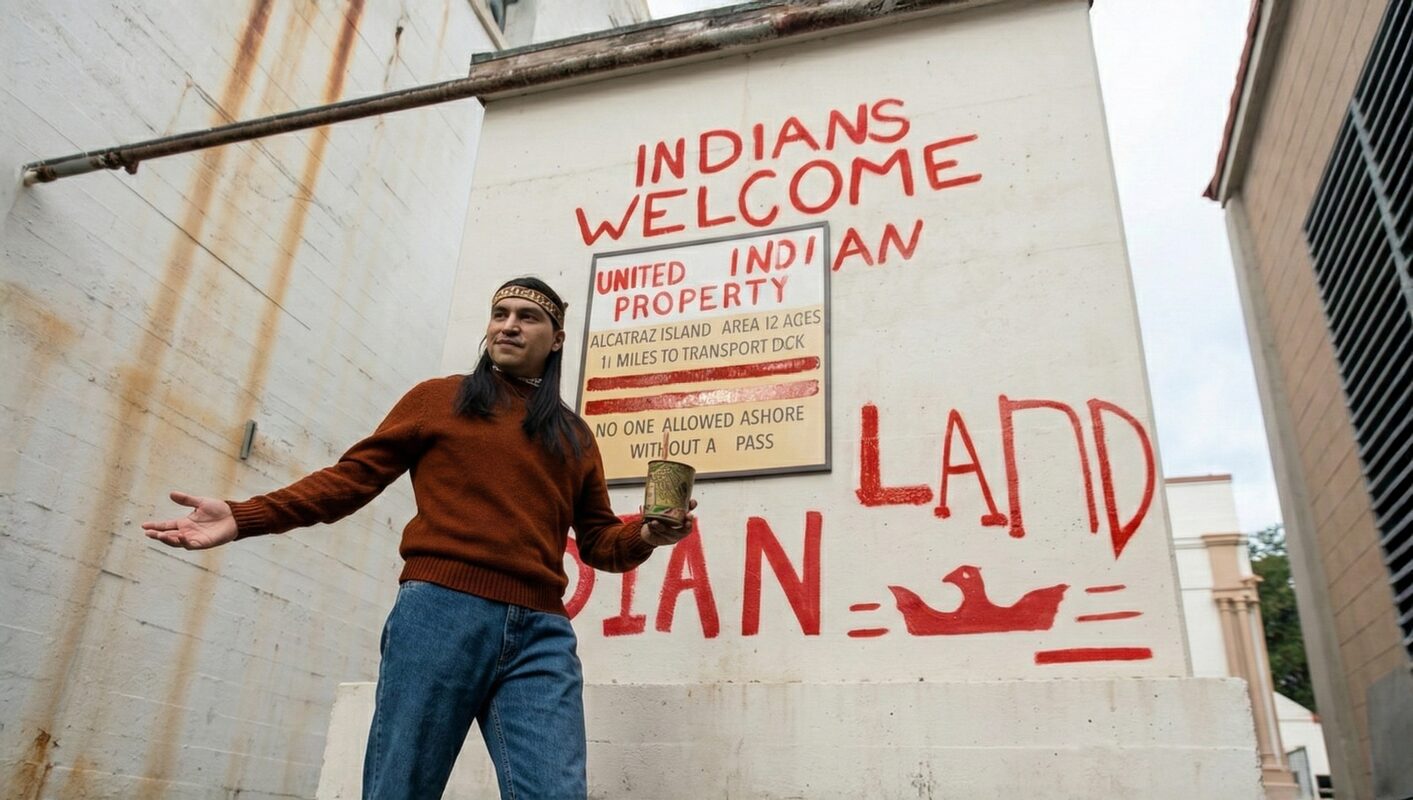
A Chumash family uprooted by federal Termination policy trades reservation life for 1950s Los Angeles, chasing the promise of the American Dream. War veteran Robert wrestles with pride in his service and the shame carved by assimilation, while his wife Deb fights to keep language and ceremony alive. Their son Teddy grows up between Hollywood myth and lived reality, absorbing the emotional cost of erasure. Interwoven with powerful testimony from Native veterans and their families, and punctuated by striking mid-century film archive, this chapter reveals the emotional battleground of identity in an America that demands assimilation.
- Overview
- Standards Alignment
- Learning Objectives
- Essential Questions
- Episode Clips
Reclaiming Identity — From Representation to Resilience
This lesson analyzes how film, media, and policy shaped 20th-century perceptions of Native peoples and Native identity. Students explore how Native families and communities resisted harmful representations and continue to reclaim cultural, political, and personal sovereignty.
Classroom Alignment
Grade Levels: 10-12
Subjects: History-Social Science, Ethnic Studies, English Language Arts, Film Studies
Duration: 2-3 class periods
Unit Theme: Early California and Colonization
Standards alignment breakdown:
California History–Social Science Framework
California History-Social Science Analysis Skills
Common Core Literacy in History/Social Studies: Integrate visual, textual, and oral sources; determine point of view; support analysis with evidence.
Ethnic Studies Core Competencies: Critical thinking, community cultural wealth, historicizing power, and contemporary Indigenous presence.
Students will be able to:
Explain how the media shapes the perception of people different than ourselves.
Describe the effects of termination and relocation policies.
Identify federal policies that continue to erode autonomy and sovereignty.
Explore how evolving federal policies promoted dispossession and poverty in displaced Native American people under the guise of “self-sufficiency.”
Elaborate on the resilience and resistance shown by Native Americans against disruptive Federal policies.
Essential questions for discussion:
What power do ideas have to shape reality?
How did film and media shape perceptions of Native peoples in the 20th century?
How did U.S. policies like termination and relocation affect Native identity and family life?
How do Native families and communities maintain resilience and reclaim identity today?
Access additional curriculum
The People of the West documentary series provides curriculum that centers California Native perspectives across time—from creation histories and first contact to contemporary movements for sovereignty, cultural revitalization, and environmental stewardship. Through film analysis, primary sources, oral histories, and critical discussion, students examine how Indigenous peoples have shaped California’s past and continue to shape its present and future.
Episode Clips
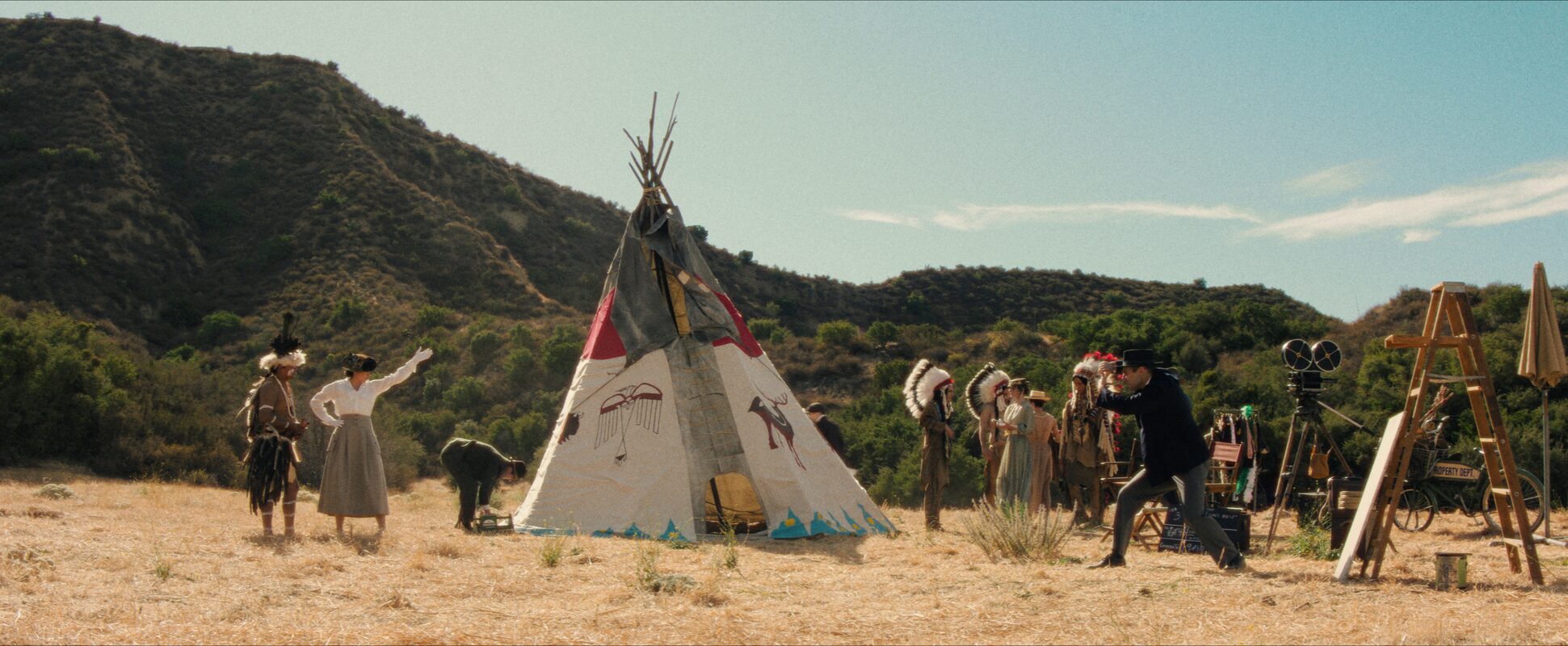
Clip 1 (~3 mins): This clip introduces and explores the Hollywood myth-making machine, based on negative tropes of Natives, and how these media representations of Indianness were another form of erasure.
Clip 2 (~3 mins): This clip offers examples of Hollywood’s misrepresentation of Natives as savages, which impacted stereotypes of Natives as defined by white society, and highlights the significance of Westerns, specifically, in perpetuating those ideas.
Clip 3 (~2 mins): This clip shows the progression of Cinema up through the 1960s and the continued role in perpetuating stereotypes by casting non-Native actors into Native roles and the lack of opportunity for Native actors.
Clip 4 (~4 mins): This clip introduces Termination and the Bureau of Indian Affairs' control over Native life by explaining the details of the Relocation Policy, in which the Federal Government promised job training, homes, and better urban conditions. It explains how Natives moved from Reservations to cities and how Relocation Policies forced Tribes to consider whether they wanted to “terminate” themselves to get out from under the Bureau of Indian Affairs. Over 40 tribes in Southern California decided to be terminated.
Clip 5 (~1 min): This clip explores how racism and ideas of “Americanness” impacted Native veterans who fought on behalf of America after returning home from war.
Clip 6 (~1 min): This clip explains how the Bureau of Indian Affairs deemed Native ceremonies, culture, and traditions illegal as a mode of forced assimilation.
what people are saying
-
Audience Member
Everything I saw impacted me, but most of all seeing the truth told by our people.
-
R. Sims
This is such a COOL project. I can't wait to watch and share with others. Long overdue!
-
A. Cooper
Thank you for this project! Glad to know that there is a toolkit available. I was in tears watching the trailer. Bravo.