Episode 6: Boarding Schools
lesson resources
EPISODE DESCRIPTION
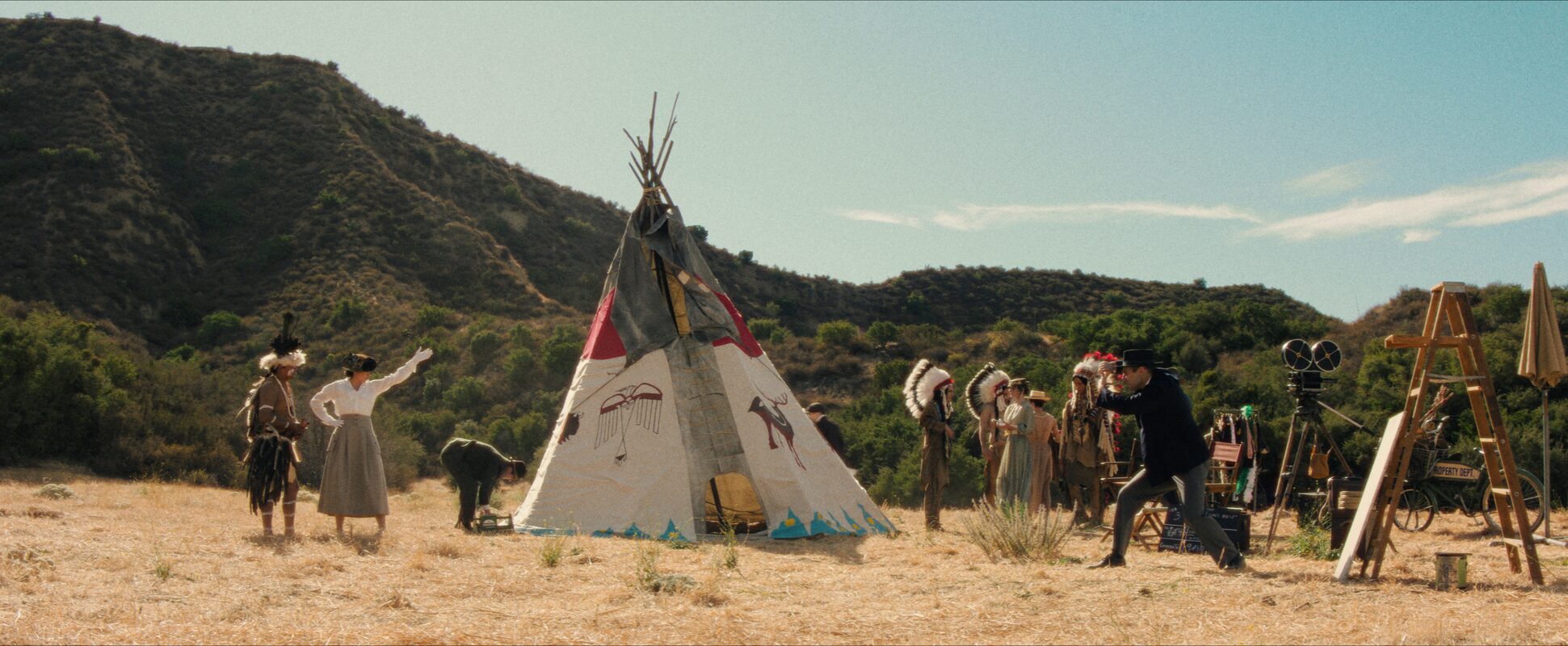
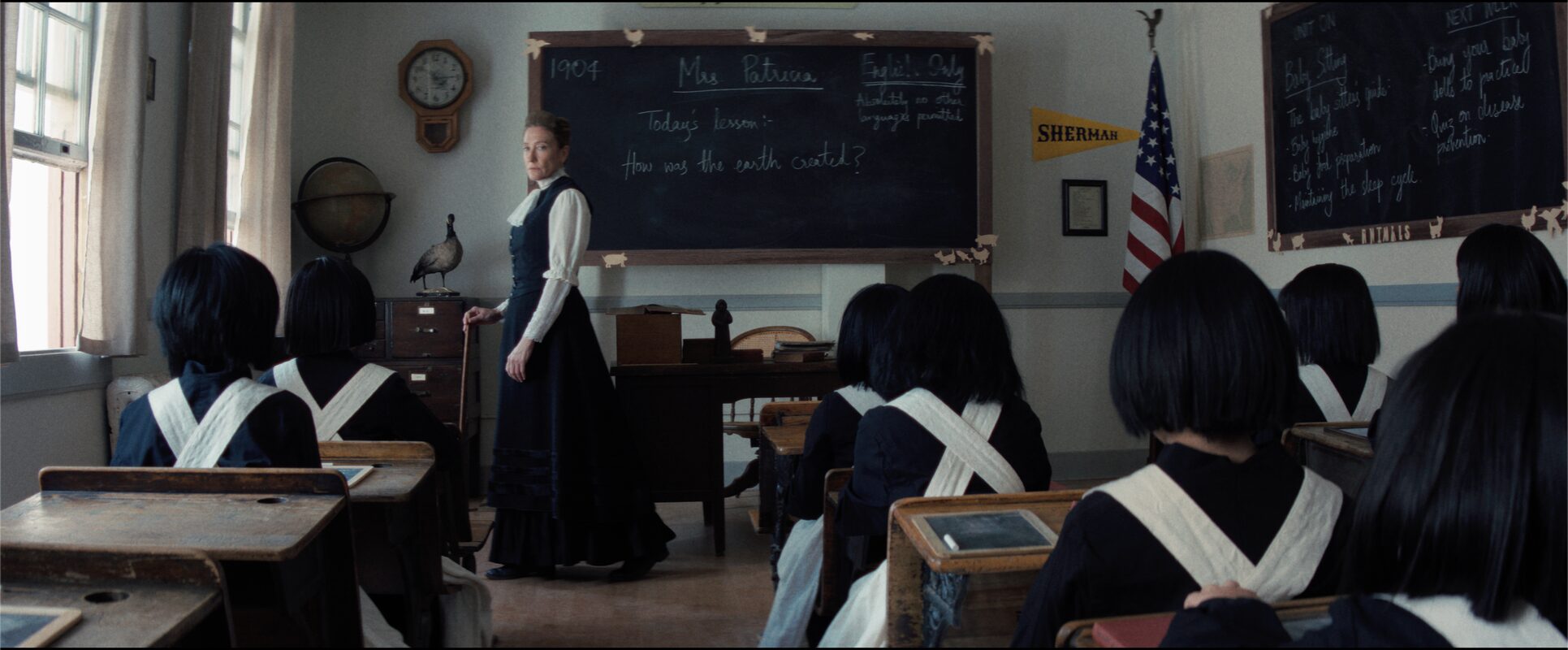
When a young Paiute boy cuts his hair in anger, his grandmother relives her own trauma as a survivor of the Sherman Indian Boarding School. In flashback, teenage Kaiba and her cousin Wahiti are torn from their families and forced into a system built to erase their culture. Hair is shorn, names are changed, and language forbidden as Richard Pratt’s doctrine—"Kill the Indian, save the man"—takes hold across California. Through Kaiba’s defiance and remembrance, a legacy of survival endures, revealing how assimilation tried—and failed—to silence Native identity.
- Overview
- Background for Teachers
- Standards Alignment
- Learning Objectives
- Essential Questions
- Episode Clips
Erasure, Resistance, and Resilience
Students examine Indian boarding schools as part of a broader federal assimilation policy designed to erase Indigenous identity. Centering survivor and descendant voices, the lesson explores intergenerational trauma alongside Indigenous resistance, cultural survival, and healing.
Classroom Alignment
Grade Levels: 7-12
Subjects: History-Social Science, Ethnic Studies, English Language Arts
Duration: 1–2 class periods
Unit Theme: Federal Indian Policy, Cultural Suppression, and Native Resilience
Colonization and Indigenous Boarding Schools
Before the U.S. built the public education system most people recognize today, federal policy was already targeting Native children. Beginning in the 19th century, the U.S. government forcibly removed Native American children from their homes and placed them in boarding schools designed to assimilate them into white, Euro-American society.
The first federally funded boarding school, the Carlisle Indian Industrial School, opened in 1879. Its founder, Richard Henry Pratt, summed up the goal in a phrase that became infamous: “Kill the Indian, save the man.” The schools banned Native languages, traditional dress, and Indigenous spiritual practices. Children were punished—sometimes violently—for practicing their cultures. These schools sought to sever children from their families and communities, erasing Indigenous identity to make them conform to white, Protestant norms.
This system was vast. A May 2020 report from the Department of the Interior revealed that between 1819 and 1969, the U.S. operated or supported 408 federal boarding schools in at least 37 states and territories. Many were run in partnership with Christian denominations.
The effects of this system were devastating. Generations of Native children were traumatized, families were fractured, and cultural knowledge was disrupted. Yet Native peoples resisted, survived, and passed down their traditions despite these assaults.
Importantly, boarding schools are not just a thing of the past. As of May 2022, the federal government still operates four off-reservation boarding schools. The legacy of this system continues to shape Native communities, making it an essential topic for understanding U.S. history, education, and Indigenous resilience.
California History-Social Science Framework: Grade 4 & 7
California History-Social Science Analysis Skills
Common Core Literacy in History/Social Studies: Integrate visual, textual, and oral sources; determine point of view; support analysis with evidence.
Ethnic Studies Core Competencies: Critical thinking, community cultural wealth, historicizing power, and contemporary Indigenous presence.
Students will be able to:
Explain the goals of Indian boarding schools within the context of federal Indian policy in the 19th and 20th centuries.
Analyze how assimilation policies—including cutting hair, renaming, forced labor, and punishment—were forms of cultural erasure.
Describe the intergenerational impact of boarding schools on Native communities.
Identify and interpret examples of Indigenous resistance and cultural survival in the face of systemic oppression.
Reflect on the importance of Native voices in shaping historical narratives.
Essential questions for discussion:
What was the purpose of Indian boarding schools for the U.S. government?
How did assimilation policies aim to “kill the Indian, save the man”?
What were the impacts of boarding schools on Native children, families, and communities?
In what ways did Native peoples resist and sustain their culture during this period?
Why is it important to center survivor and descendant voices when studying history?
Access additional curriculum
The People of the West documentary series provides curriculum that centers California Native perspectives across time—from creation histories and first contact to contemporary movements for sovereignty, cultural revitalization, and environmental stewardship. Through film analysis, primary sources, oral histories, and critical discussion, students examine how Indigenous peoples have shaped California’s past and continue to shape its present and future.
Episode Clips
Clip 1 (~5 mins): This clip introduces the difficult realities faced by Natives who were forced into Federal Boarding Schools by explaining the histories of Richard Pratt and the origins of boarding schools, the opening of Carlisle, and the larger Boarding School project.
Clip 2 (~2 mins): This clip explains more about the violence and harm of forced assimilation within boarding schools and shows examples of the harm, including hair cutting, renaming, corporal punishment, and loss of identity. Expert voices connect erasure to cultural suppression in boarding schools.
Clip 3 (~3 mins): This clip reminds viewers of the realities of Native resistance within boarding schools through examples such as moon-time ceremonies held in secret, the use of language, and other small acts of defiance.
Clip 4 (~3 mins): This clip explains how Native students were used as forced labor and the role of boarding schools in developing a free workforce, resistance to this, and punishment for disobeying.
Clip 5 (~5 mins): This clip introduces the Alice Piper case (1923) — Native students sue for equal access to California public schools — and a legal victory later cited in Brown v. Board.
what people are saying
-
Audience Member
The storytelling focused on indigenous values and our connection to the land and our family, it made the connection with our ancestors so tangible.
-
Audience Member
Everything I saw impacted me, but most of all seeing the truth told by our people.
-
F. Molina
This is amazing! I've been wanting this since the 90's when I started teaching.