Episode 4: Genocide
lesson resources
EPISODE DESCRIPTION
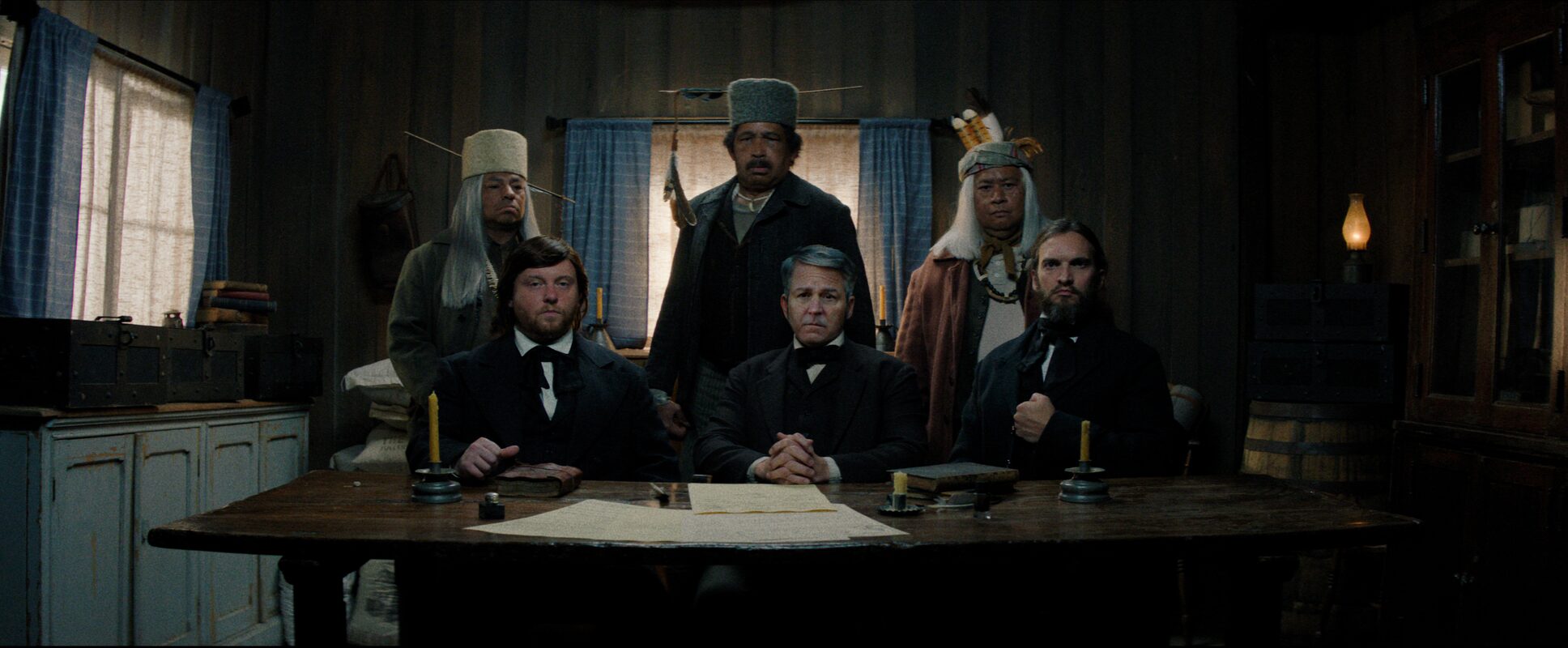
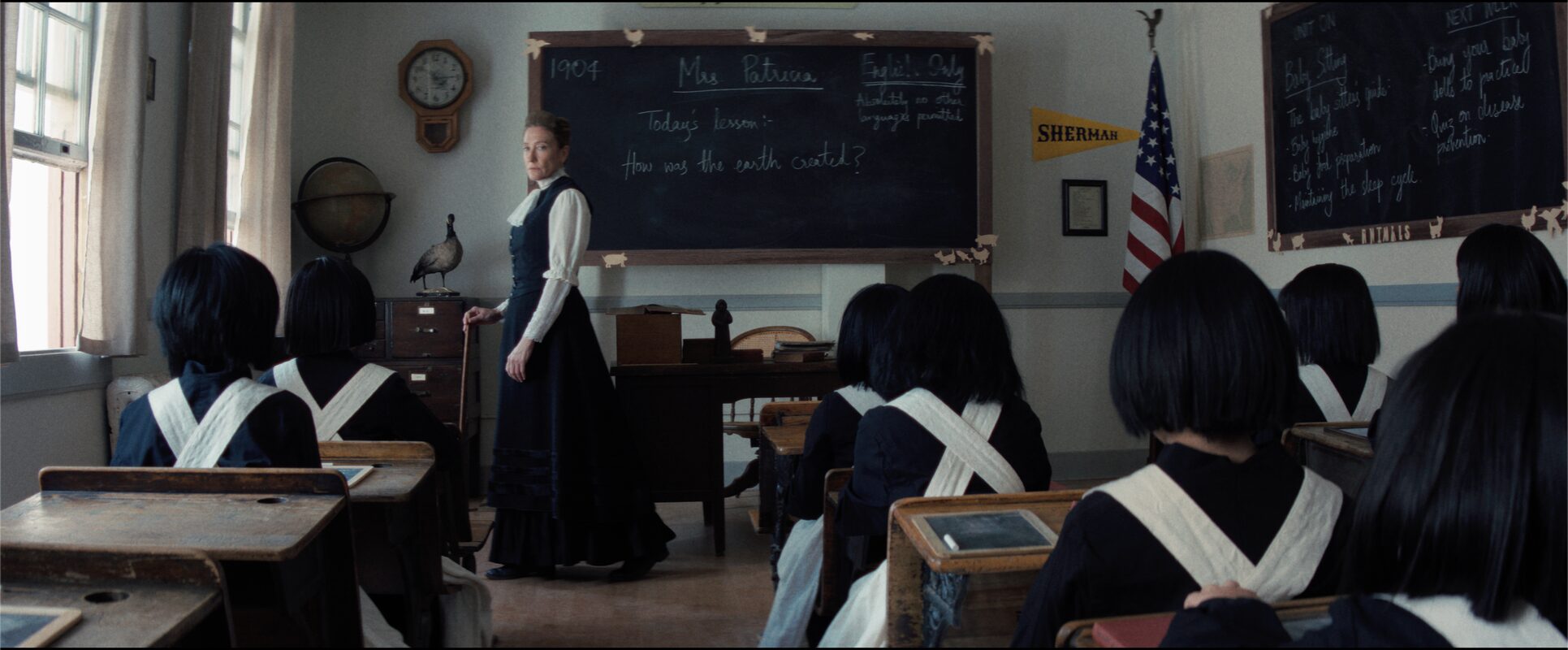
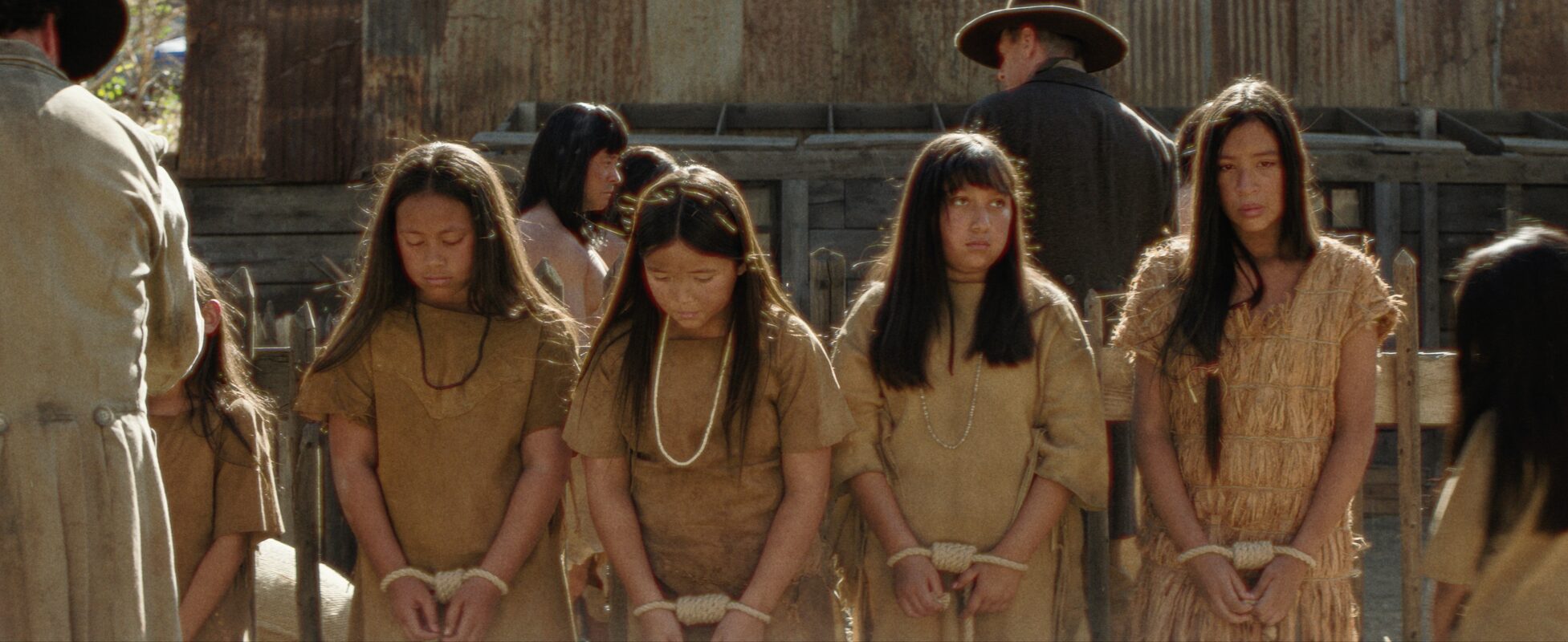
California's statehood unleashes a campaign of genocide and slavery against Native peoples, while California's first governor Peter Burnett declares "a war of extermination". Militias carry out massacres with government funding, while laws legalize the buying and selling of Native children. When Native families defend their homes, the violence is overwhelming and merciless. Through the story of T'tc~tsa, a Wailaki girl sold into sexual bondage, the human cost of conquest is laid bare. Yet survival itself becomes resistance, as Native voices endure beyond frontier myths to expose America's true foundation.
- Overview
- Standards Alignment
- Learning Objectives
- Essential Questions
- Episode Clips
Policy, Resistance, and Resilience — Native Survival in California
Students investigate how state and federal laws legalized genocide, enslavement, and dispossession in California. The lesson emphasizes Native resistance, survival strategies, and the importance of remembrance, accountability, and truth-telling in confronting historical violence.
Classroom Alignment
Grade Levels: 9-12
Subjects: Social Studies, History, Humanities, Ethnic Studies, Native American Studies, Journalism or Media Courses
Duration: 1–2 class periods (50–60 mins total)
Unit Theme: Early California and Colonization
Standards alignment breakdown:
California History–Social Science Framework
California History-Social Science Analysis Skills
Common Core Literacy in History/Social Studies: Integrate visual, textual, and oral sources; determine point of view; support analysis with evidence.
Ethnic Studies Core Competencies: Critical thinking, community cultural wealth, historicizing power, and contemporary Indigenous presence.
Students will be able to:
Explain how laws and policies that legalized genocide, enslavement, and dispossession encourage truth-telling about California’s real history.
Describe ways Native people resisted and survived these policies historically and today.
Analyze the role of media — historic and modern — in shaping public indifference or complicity in violence against Native peoples.
Reflect and elaborate on the power of remembrance, accountability, and their relationship to truth-telling.
Essential questions for discussion:
How did California’s laws and policies legalize genocide, enslavement, and dispossession of Native peoples?
How did Native people resist and survive these harmful policies in the past — and how do they continue to do so today?
How has the media — in the past and now — supported violence, shaped public indifference, or hidden complicity in violence against Native peoples?
Why is remembering and sharing these stories important today?
Access additional curriculum
The People of the West documentary series provides curriculum that centers California Native perspectives across time—from creation histories and first contact to contemporary movements for sovereignty, cultural revitalization, and environmental stewardship. Through film analysis, primary sources, oral histories, and critical discussion, students examine how Indigenous peoples have shaped California’s past and continue to shape its present and future.
Episode Clips
Clip 1 (~3 mins): This clip introduces the 1850 Act, Peter Burnett’s “State of the State Address” calling for a “war of extermination,” and shows how, throughout the 1850s & 1860s, California established state-sanctioned militias and funded them.
Clip 2 (~3 mins): This clip establishes a connection between slavery in the Southeast and California, explains legislation that ensured the Natives’ oppression, including vagrancy laws and the 1850 Act of Government and Protection of Indians.
Clip 3 (~1 min): This clip establishes the larger United States role in supporting and driving the genocide against Native people in California.
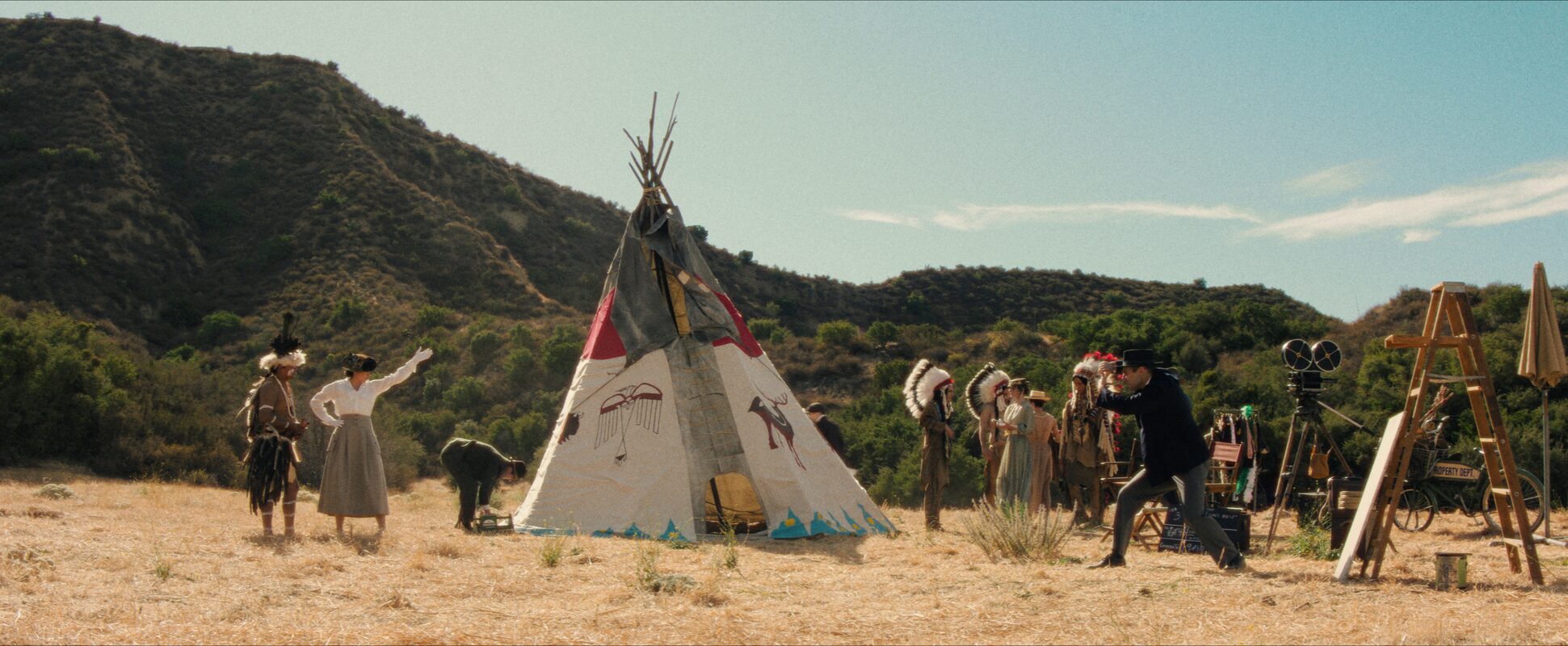
Clip 4 (~5 mins): This clip demonstrates how storytelling and media are used to create false narratives that justify the actions of those in power and reinforce false dominant narratives.
Clip 5 (~3 mins): This clip introduces contemporary Pomo elder Clayton Earl Duncan as he explains his history, how the annual ceremony honors ancestors, and how community healing continues today.
what people are saying
-
A. Cooper
Thank you for this project! Glad to know that there is a toolkit available. I was in tears watching the trailer. Bravo.
-
F. Molina
This is amazing! I've been wanting this since the 90's when I started teaching.
-
Audience Member
I was very impacted by how the storytelling focused on indigenous values and our connection to the land and our family, it made the connection with our ancestors so tangible.