Episode 2: Spanish Missions
lesson resources
EPISODE DESCRIPTION
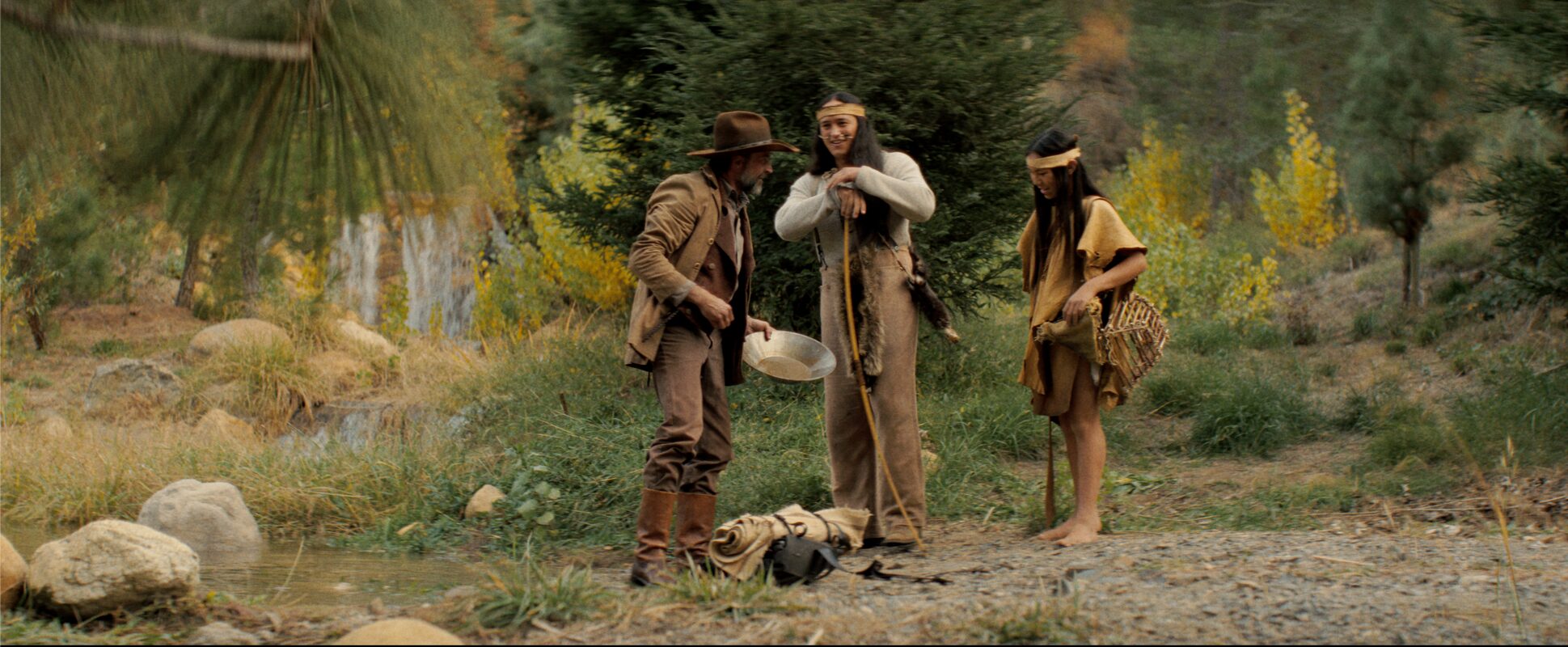
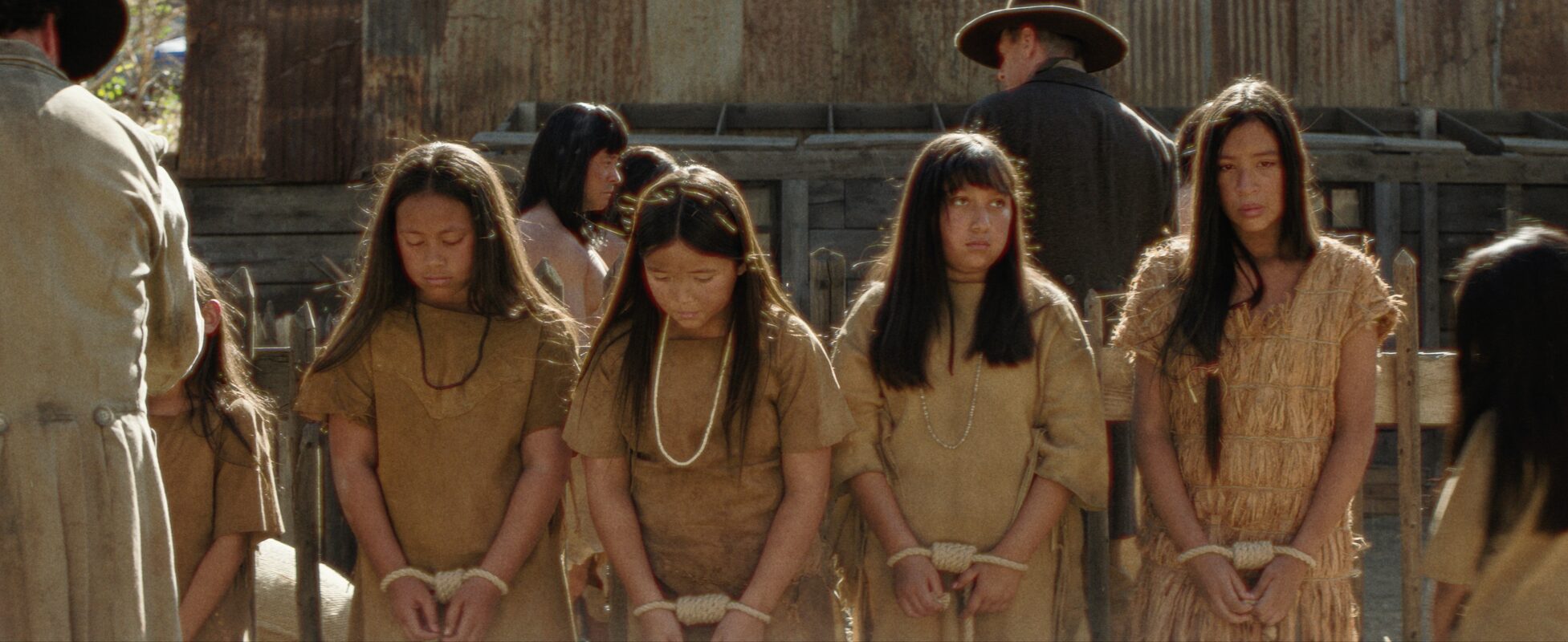
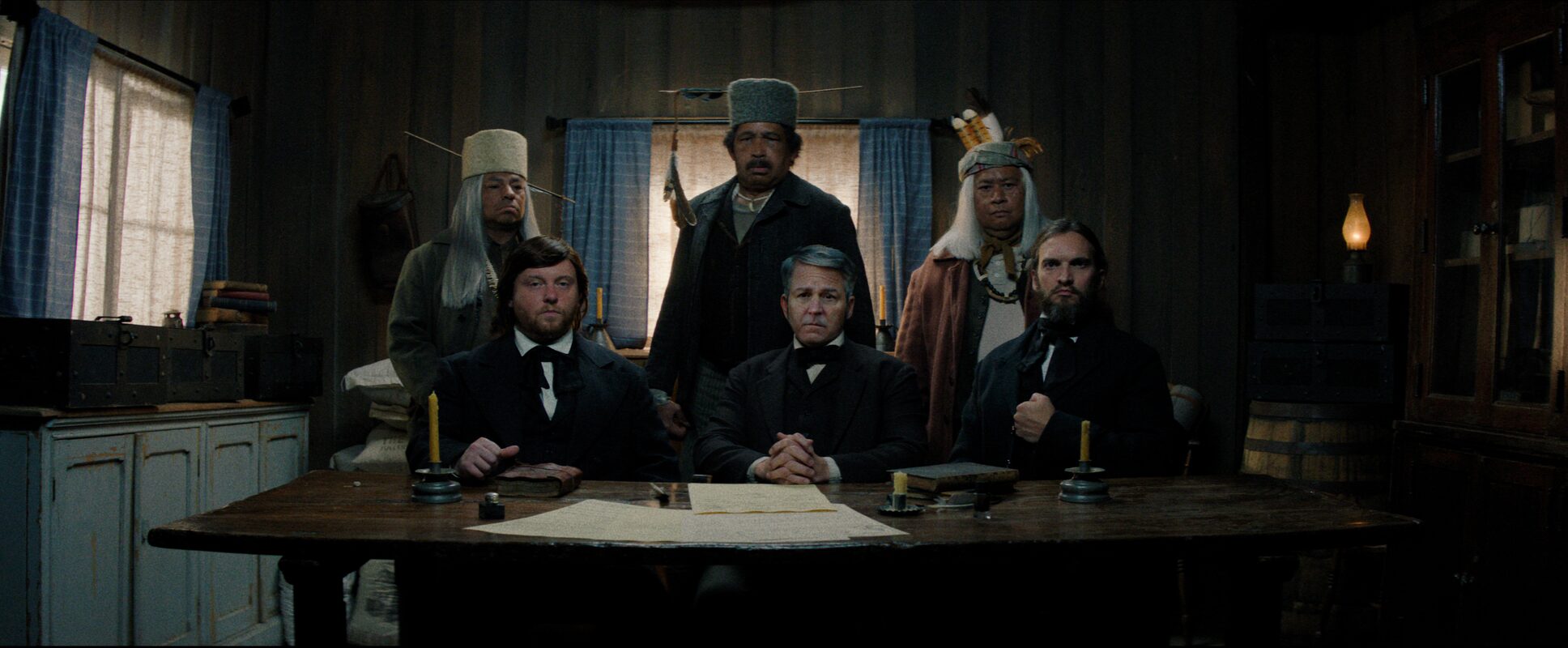
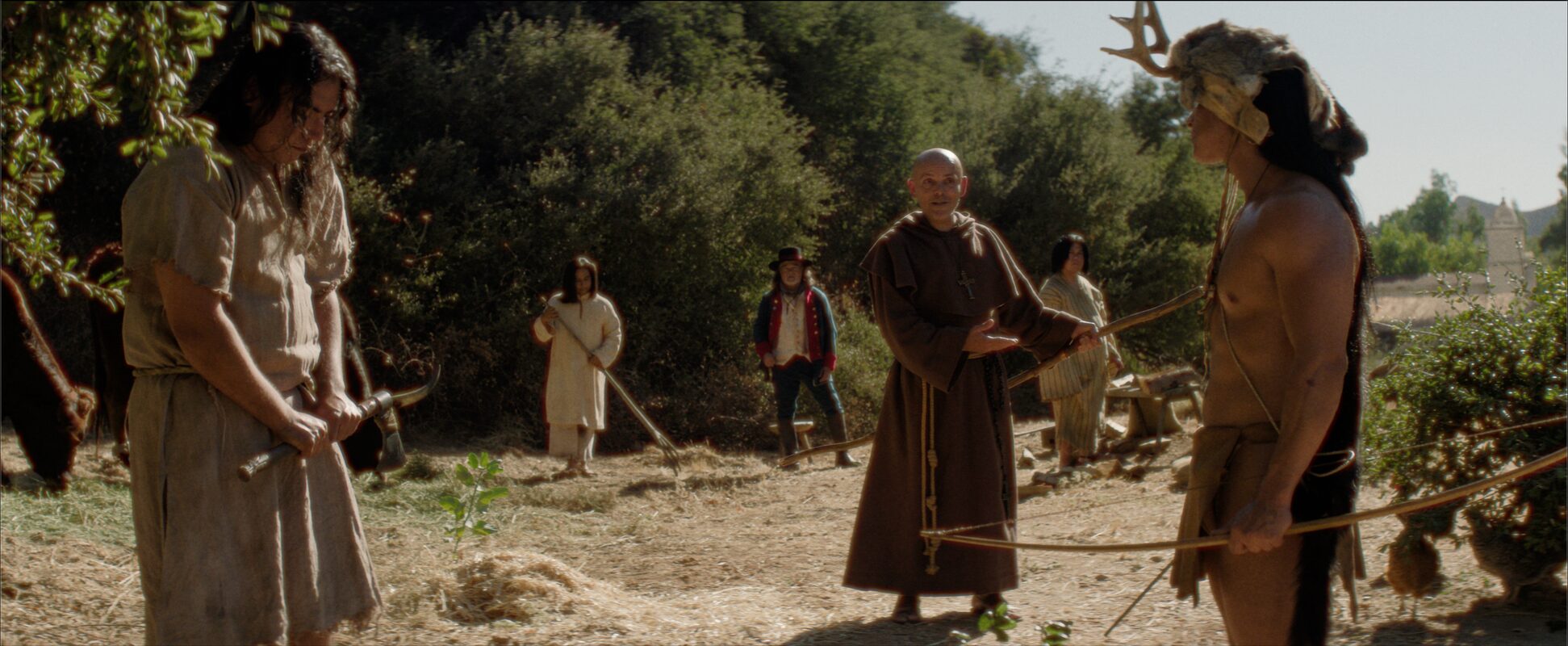
The brutal reality of California’s mission system unfolds through the story of Aha’ya and Atsia of the Ohlone. Families are torn apart as forced baptisms, disease, starvation, and systemic abuse define life under Junípero Serra and the soldiers. Expert voices reveal how the missions operated as engines of colonization, using whippings, sexual violence, and forced labor to control Native people. Yet amid devastation, acts of resistance and survival endure, culminating in uprisings that challenged Spanish domination.
- Overview
- Background for Teachers
- Standards Alignment
- Learning Objectives
- Essential Questions
- Episode Clips
Missions and Native Peoples — Faith, Power, and Resistance in Early California
Students examine the Spanish mission system as a tool of colonial control rather than a benign religious enterprise. The lesson explores forced labor, cultural suppression, and land dispossession while highlighting Indigenous resistance, survival, and resilience during the mission era.
Classroom Alignment
Grade Level: 6-8
Subjects: History-Social Science, Ethnic Studies, English Language Arts
Duration: 2-3 class periods
Unit Theme: Early California and Colonization
Before teaching this lesson, review:
People of the West, Episode 2, situates the mission period within a longer history of California’s Indigenous peoples. Before Spanish arrival, Native nations across California had extensive trade networks, complex governance systems, and rich spiritual traditions.
Between 1769 and 1833, Spanish colonizers built 21 missions along the California coast under the leadership of Catholic missionaries like Junípero Serra. While these missions are often remembered as peaceful centers of religion and architecture, they were in fact powerful instruments of colonial control. Their true purpose was twofold: to expand Spain’s territorial claims and to forcibly convert Native peoples to Christianity.
Life in the missions involved forced labor, religious conversion, and cultural erasure. Native peoples were baptized, renamed, and often forbidden to leave. Families were separated, traditional languages and ceremonies were banned, and daily life was tightly controlled by missionaries. Though disease contributed to widespread death, it was the structural violence of the mission system—forced assimilation, loss of land, and the destruction of Indigenous lifeways—that caused lasting harm.
Despite these conditions, Native Californians were not passive. Many resisted—by escaping, rebelling, or keeping their traditions alive in secret. Teaching the missions accurately means moving beyond glorified stories and recognizing the mission system as a site of colonial domination, spiritual coercion, and Indigenous resilience.
This lesson encourages students to examine how religion, power, and ideology worked together in the mission system—and how Native peoples responded with strength, agency, and survival.
Standards alignment breakdown:
California History–Social Science Framework: Grade 4 & 7 (missions, exploration, and colonization of California)
California History-Social Science Analysis Skills
Common Core Literacy in History/Social Studies: Integrate visual, textual, and oral sources; determine point of view; support analysis with evidence.
Ethnic Studies Core Competencies: Critical thinking, community cultural wealth, historicizing power, and contemporary Indigenous presence.
Students will be able to:
Explain the goals and functions of the Spanish mission system in California within the broader context of Indigenous life before colonization.
Analyze how Catholicism and the mission system were used as tools of colonization.
Describe the impact of missions on Native communities, including loss of land, forced labor, and cultural suppression.
Identify examples of Indigenous resistance and cultural survival during the mission era.
Understand how missions were part of a larger colonial strategy and how Native peoples responded to them.
Essential questions for discussion:
What was the purpose of the California missions for Spanish colonizers?
How was religion used to control Native peoples?
What happened to California Native cultures, traditions, and ways of life during the mission period?
How did Native peoples resist and survive the mission system?
Access additional curriculum
The People of the West documentary series provides curriculum that centers California Native perspectives across time—from creation histories and first contact to contemporary movements for sovereignty, cultural revitalization, and environmental stewardship. Through film analysis, primary sources, oral histories, and critical discussion, students examine how Indigenous peoples have shaped California’s past and continue to shape its present and future.
Episode Clips
Clip 1 (~3 mins): Early contact between Spanish colonizers and Native Californians; introduction of Missions, use of Catholicism as a tool for colonization, and Junípero Serra’s arrival.
Clip 2 (~1 min): Religious abuse — indoctrination and physical violence framed as discipline.
Clip 3 (~3 mins): Daily life in the missions, including forced labor, religious instruction, and restrictions on movement and language.
Clip 4 (~6 mins): Rebellions — escape attempts, uprisings, and maintaining cultural practices in secret, and the 1775 Revolt at Mission San Diego, 1785 Mission San Gabriel, 1812.
Clip 5 (~5 mins): Domination justified through religion; Serra Report and Canonization; and Descendant voices reflecting on mission history and its lasting impacts.
what people are saying
-
Audience Member
Everything I saw impacted me, but most of all seeing the truth told by our people.
-
R. Sims
This is such a COOL project. I can't wait to watch and share with others. Long overdue!
-
Audience Member
I was very impacted by how the storytelling focused on indigenous values and our connection to the land and our family, it made the connection with our ancestors so tangible.