Episode 3: Gold Rush
lesson resources
EPISODE DESCRIPTION
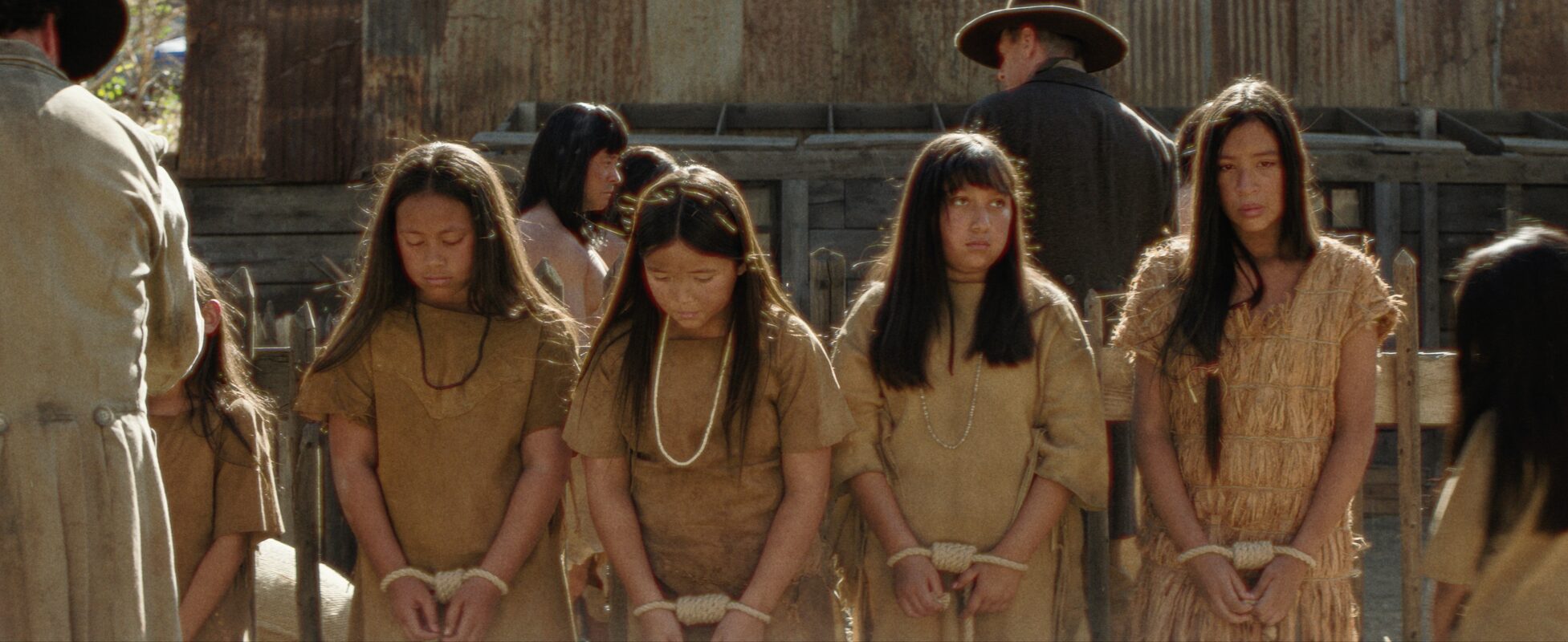
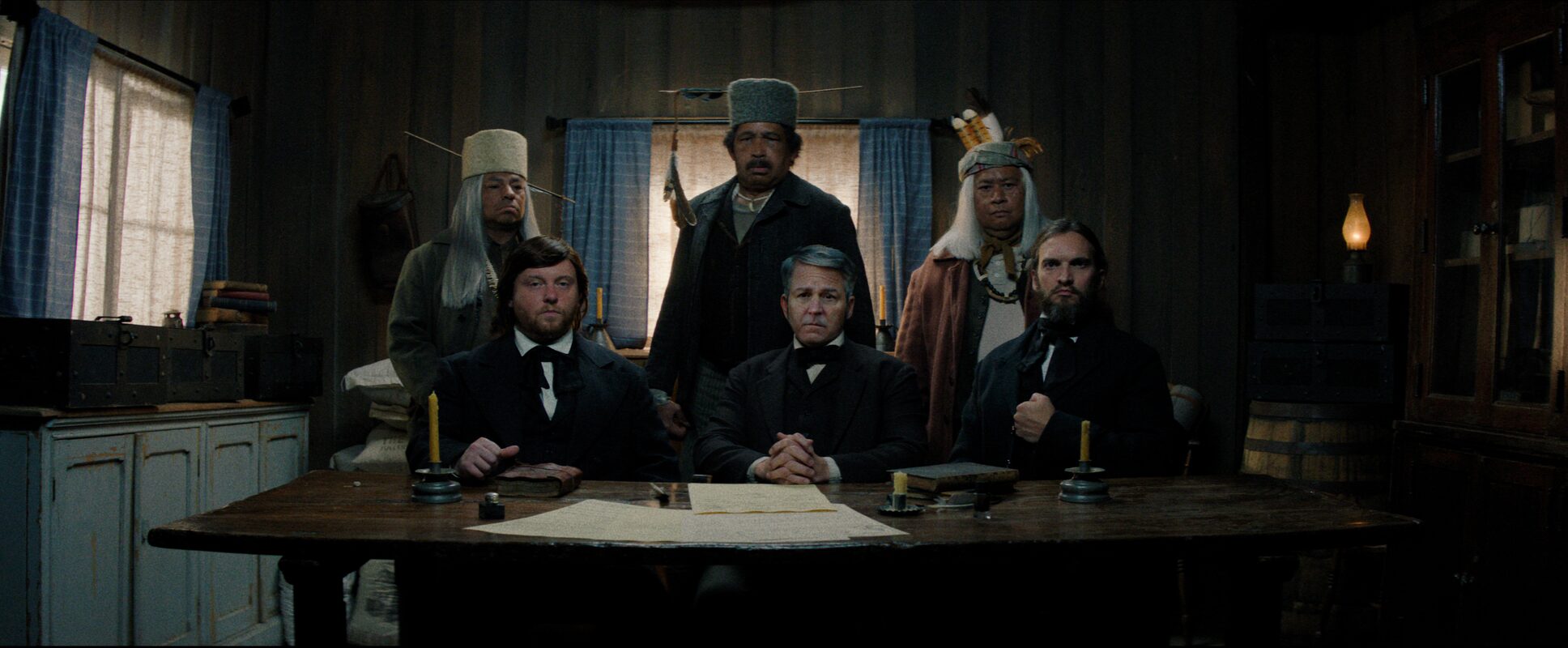
California's mid-1800s transformation is marked by conquest, massacres, and betrayal - this time by the Americans, led by the idea of "Manifest Destiny". Captain John C. Fremont, close friend of President Polk, slaughters a band of unarmed Wintus near Sacramento suddenly tearing apart Su-su-met and Wa'da's tender love story. In Southern California, The Temecula Massacre unfolds, pitting Native nations against each other under the shadow of the Mexican-American War. In the Central Sierra foothills, Miwok and Nisenan families are devastated by the Gold Rush through enslavement, famine, and dispossession. While myths later celebrate opportunity and cowboy codes, the reality is genocide and exclusion. Yet Native voices endure, affirming survival, memory, and responsibility to the Earth.
- Overview
- Standards Alignment
- Learning Objectives
- Essential Questions
- Episode Clips
The Gold Rush’s Impact on California Tribes’ Environmental and Cultural Values
This lesson centers Native experiences of the Gold Rush through oral histories and dramatizations. Students analyze how extraction, violence, and settler greed disrupted Indigenous ecological systems and sovereignty, and reflect on why Native perspectives are often erased from mainstream Gold Rush narratives.
Classroom Alignment
Grade Levels: 8-12
Subjects: History-Social Science, Native American Studies, Ethnic Studies, English Language Arts, Humanities
Duration: 1-2 class periods
Unit Theme: Early California and Colonization
Standards alignment breakdown:
California History-Social Science Framework
California History-Social Science Analysis Skills
Common Core Literacy in History/Social Studies: Integrate visual, textual, and oral sources; determine point of view; support analysis with evidence.
Ethnic Studies Core Competencies: Critical thinking, community cultural wealth, historicizing power, and contemporary Indigenous presence.
Students will be able to:
Analyze oral histories and dramatizations (e.g., Su-su-met, Willie) to understand Native experiences of the Gold Rush.
Explain how Indigenous ecological knowledge shaped sustainable relationships with land and rivers, especially salmon.
Evaluate how greed, extraction, and Manifest Destiny disrupted Native cultural and environmental values.
Connect Gold Rush–era policies (slavery at Sutter’s Fort, loss of citizenship, state constitution debates, violence against Native peoples) to long-term consequences for Native communities.
Reflect on how narratives of the Gold Rush in textbooks and field trips often erase Native experiences.
Essential questions for discussion:
What does it mean to live in balance with the land, and how did California Native peoples practice this relationship?
How did the Gold Rush disrupt Indigenous ecological systems, cultural traditions, and sovereignty?
How did differing worldviews—stewardship versus extraction—shape the conflict over land and resources?
Why have Native experiences of the Gold Rush been erased or minimized in mainstream histories?
What can Indigenous stories like Su-su-met’s teach us about resilience, responsibility, and sustainability today?
Access additional curriculum
The People of the West documentary series provides curriculum that centers California Native perspectives across time—from creation histories and first contact to contemporary movements for sovereignty, cultural revitalization, and environmental stewardship. Through film analysis, primary sources, oral histories, and critical discussion, students examine how Indigenous peoples have shaped California’s past and continue to shape its present and future.
Episode Clips
Clip 1 (~4 mins): This clip explains settlers’ motivations and goals of the Gold Rush and its ruinous impacts; focus on the Wintu Peoples in 1846 & Su-su-met’s story of Wintu’s lifeways related to salmon.
Clip 2 (~5 mins): This clip explains the discovery of gold and exposes the problems with how the Gold Rush is often taught, highlighting its impacts on Native American history, the environment, and miners. It ends by explaining extreme food insecurity caused by colonization.
Clip 3 (~2 mins): This clip illustrates California Natives’ relationship to the land as stewards and juxtaposes it with colonizers who want to “take” and “own” land.
Clip 4 (~3 mins): In this clip, students learn about the development of the California Constitution and the exclusion of Native peoples’ rights.
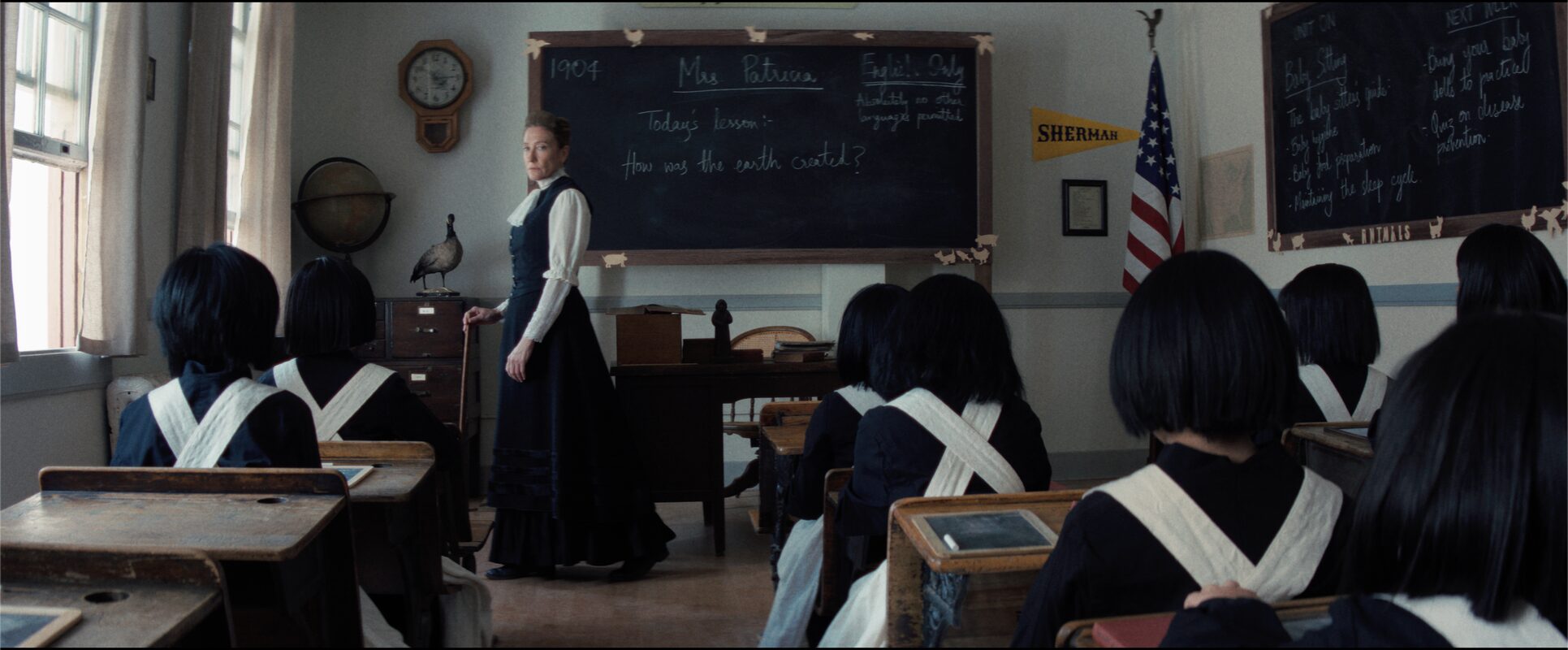
Clip 5 (~2 mins): This clip offers a discussion of how popular education relies on the erasure of violence against Natives and reaffirms the importance of the relationship to place from the indigenous Californians’ perspectives.
what people are saying
-
William Pink
More Indians were killed in the taking of California then any other group because they tricked the Indians into fighting the Indians. We killed each other and the United States won.
-
Allen Wallace
That little nugget of gold pretty much changed our history. Nothing was ever the same after that.
-
R. Sims
This is such a COOL project. I can't wait to watch and share with others. Long overdue!
-
F. Molina
This is amazing! I've been wanting this since the 90's when I started teaching.
-
Audience Member
Everything I saw impacted me, but most of all seeing the truth told by our people.